What Is The Best Fabric For Sportswear? A Complete Guide to Best Sportswear Material and Athletic Clothing Material Selection
What Is The Best Fabric For Sportswear?
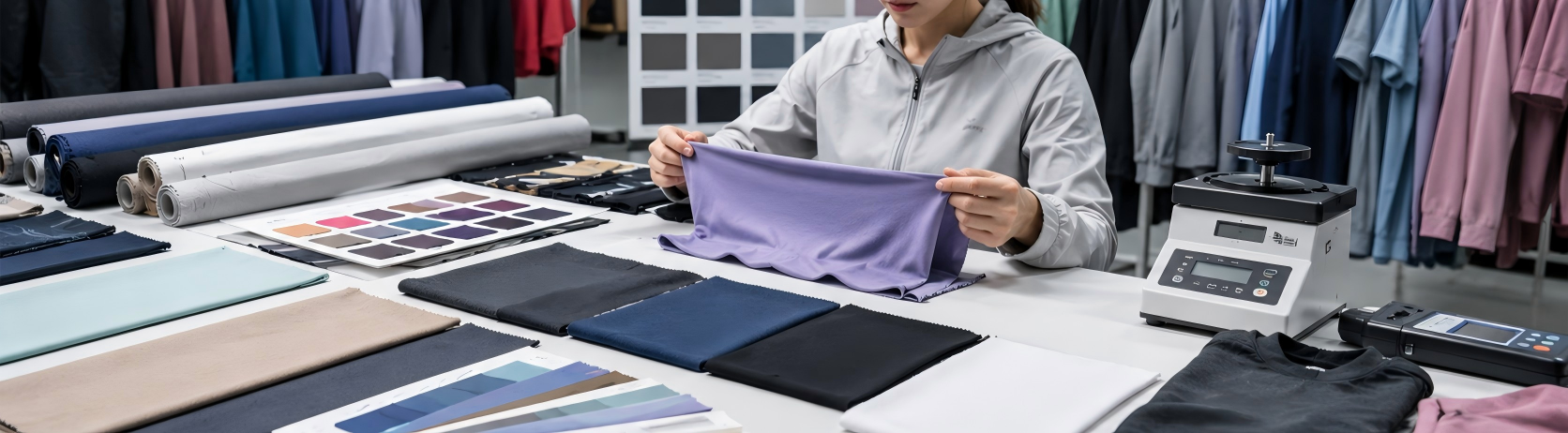
Choosing the right fabric is one of the most important decisions when developing custom activewear and performance apparel. The quality, comfort, durability, and performance of sportswear products are directly influenced by the materials used during production.
For brands entering the sportswear market, understanding the best sportswear material is essential because different activities require different fabric technologies.
A fabric suitable for yoga leggings may not perform well for running shirts, while materials designed for outdoor training may not provide the softness required for lifestyle activewear.
A professional sportswear fabric comparison helps brands understand the differences between polyester, nylon, spandex, cotton blends, and advanced performance fabrics.
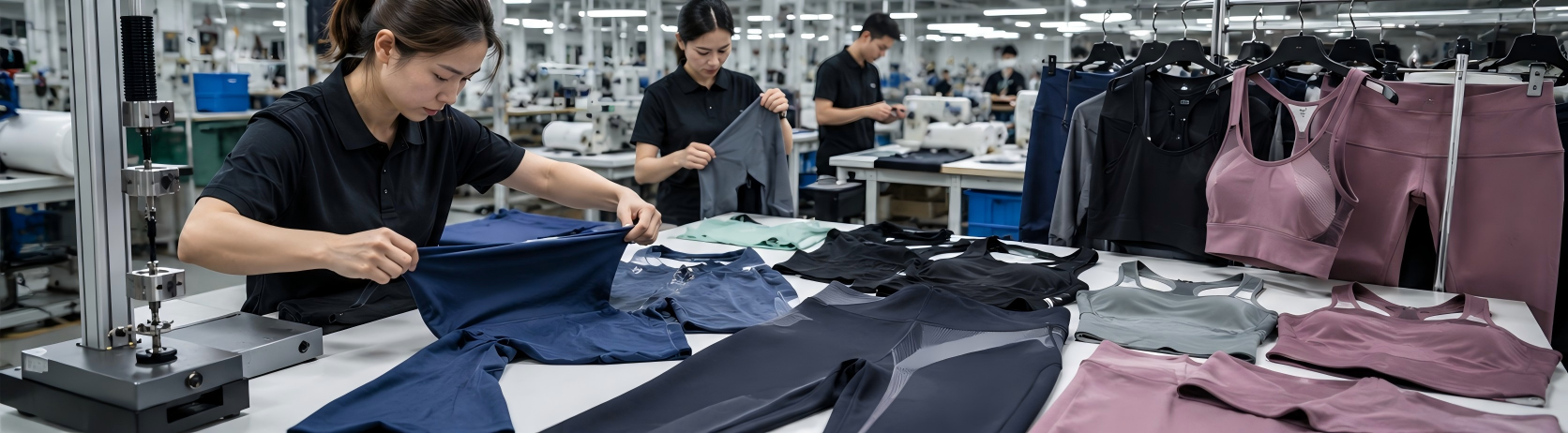
At NOWORNEVER Sport, we help global brands select suitable fabrics based on product positioning, target customers, and performance requirements. With custom manufacturing starting from 150 pieces per style, we support brands from material selection to final production.
Why Fabric Selection Matters in Sportswear Manufacturing
Unlike ordinary clothing, sportswear must meet higher functional requirements.
The ideal athletic clothing material should provide:
- Moisture management
- Stretch flexibility
- Breathability
- Durability
- Comfort during movement
- Shape retention
- Easy maintenance
Poor fabric selection can lead to:
- Uncomfortable wearing experience
- Fabric deformation after washing
- Reduced product lifespan
- Negative customer reviews
For this reason, brands should conduct detailed sportswear fabric comparison before starting bulk production.
Understanding Different Types of Sportswear Fabrics
There is no single universal fabric that works for every sportswear category.
The best choice depends on:
- Product category
- Target market
- Sports activity
- Price positioning
- Brand requirements
Below are the most commonly used athletic clothing material options in modern sportswear manufacturing.
Polyester Fabric: A Popular Performance Sportswear Material
Polyester is one of the most widely used materials in sportswear production.
It is popular because of its:
- Lightweight structure
- High durability
- Quick-drying ability
- Resistance to shrinking
- Cost efficiency
Polyester is commonly used for:
- Running shirts
- Training tops
- Football jerseys
- Outdoor sportswear
In a sportswear fabric comparison, polyester performs well when brands need affordable performance products.
However, polyester alone may feel less soft compared with premium fabrics, so many manufacturers combine it with elastane or other fibers.
Nylon Fabric: Premium Choice for Activewear
Nylon is considered one of the premium options when discussing the best sportswear material.
Advantages include:
- Extremely soft touch
- Excellent elasticity
- High abrasion resistance
- Premium appearance
Nylon fabrics are commonly used for:
- Yoga leggings
- Sports bras
- Compression wear
- High-end activewear
Many premium activewear brands choose nylon blends because they provide a more comfortable second-skin feeling.
For brands targeting the premium market, nylon is often a preferred athletic clothing material.
Spandex / Elastane: The Key Stretch Component
Spandex, also called elastane, is rarely used alone but is essential in sportswear fabrics.
Its main function is providing:
- Four-way stretch
- Better body movement
- Shape recovery
- Compression support
Common fabric blends include:
- Nylon + Spandex
- Polyester + Spandex
For products requiring body contouring, such as leggings and sports bras, spandex content plays an important role.
Cotton Blends: Comfort-Focused Sportswear Material
Cotton provides:
- Soft feeling
- Natural comfort
- Breathability
However, pure cotton has limitations:
- Absorbs moisture slowly
- Takes longer to dry
- May lose shape over time
Therefore, modern sportswear brands usually use cotton blends instead of 100% cotton.
A cotton-polyester blend can provide a balance between comfort and performance.
Sportswear Fabric Comparison Table
| Fabric Type | Advantages | Disadvantages | Best Applications |
|---|---|---|---|
| Polyester | Durable, quick dry, affordable | Less premium feeling | Training wear, jerseys |
| Nylon | Soft, flexible, premium feel | Higher cost | Yoga wear, leggings |
| Spandex | Excellent stretch recovery | Usually blended | Compression apparel |
| Cotton Blend | Comfortable and breathable | Lower moisture performance | Lifestyle sportswear |
| Seamless Knit | Comfortable and body fitting | Higher production requirements | Premium activewear |